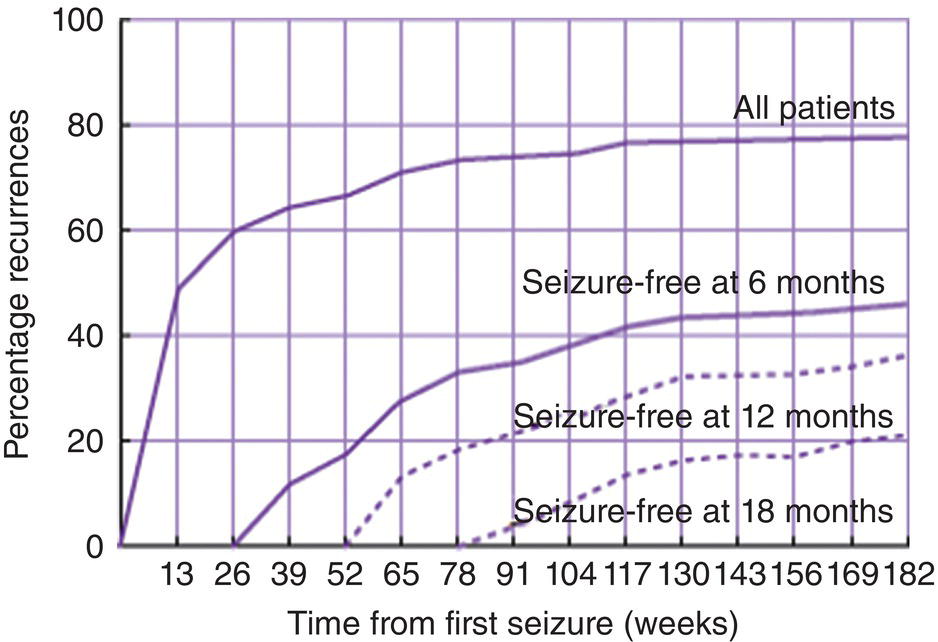
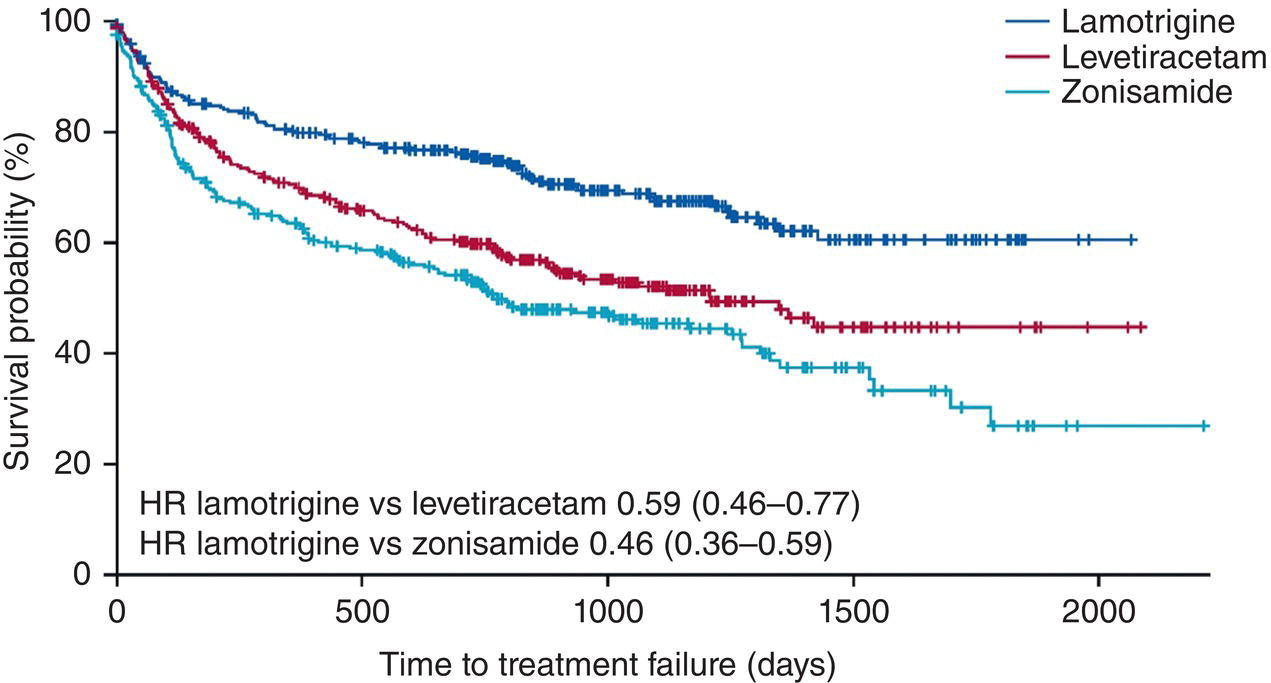
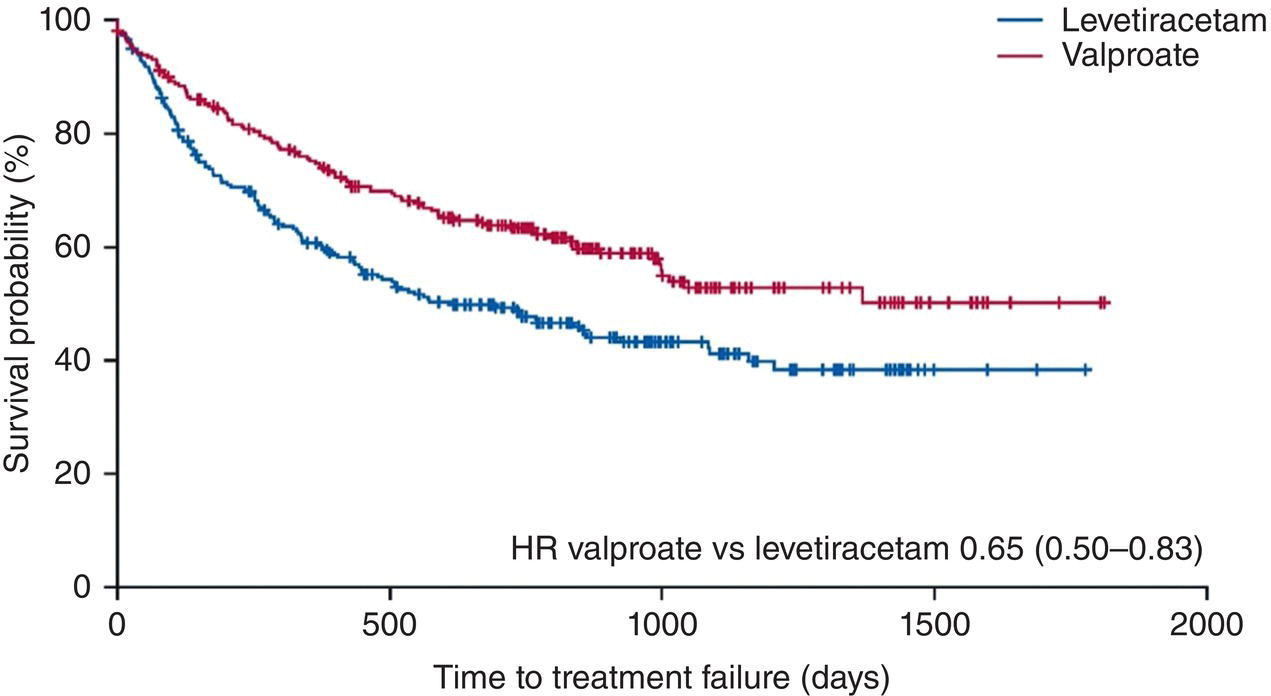
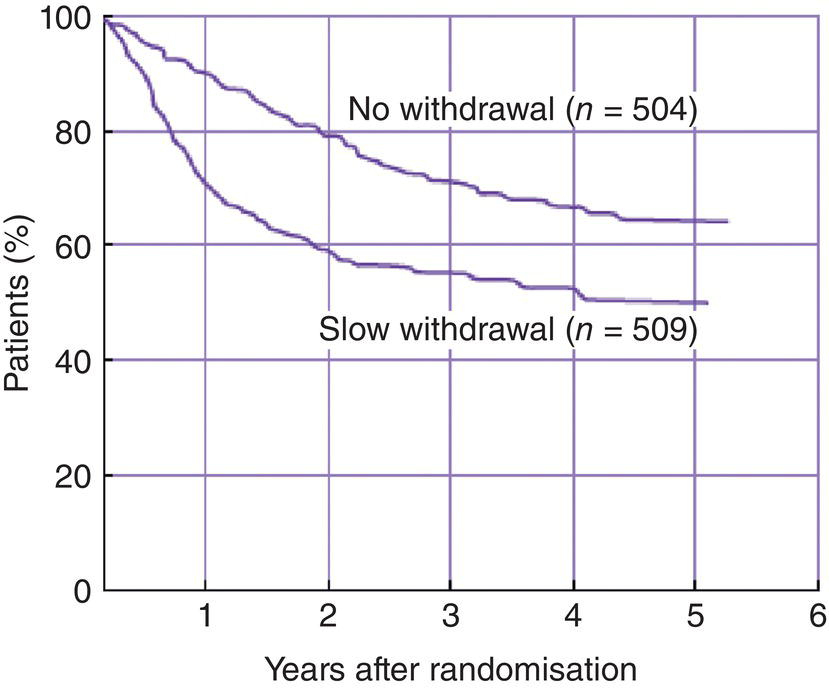
Fergus J. Rugg‐Gunn Epilepsy treatment has mainly focused on pharmacological options, with almost 30 antiseizure medications (ASM) now available worldwide. For about two‐thirds of people with epilepsy, ASM are the most effective way to achieve seizure remission. While several non‐pharmacological treatment options are available, such as surgery, modulators, and specialised diets, these are only feasible in a select number of cases. For instance, resective surgery is a highly successful treatment for many people with focal drug‐resistant epilepsy (DRE). However, fewer than five per cent of new cases will ultimately be candidates for this treatment. See Chapter 15, Epilepsy Surgery. Historically, pharmacological treatment of epilepsy began in the 1850s with bromide, followed by phenobarbital in 1912, marking the beginning of modern pharmacotherapy. The mid‐20th century saw the introduction of phenytoin, carbamazepine, ethosuximide, and valproate. These, along with phenobarbital, are now collectively known as older ASM. They remain in use today, primarily in low‐ and middle‐income countries (LMIC) due to cost, and in high‐income countries (HIC) as ‘legacy drugs’ or as later‐stage treatment options. People often hesitate to discontinue these older ASM, even when advised, due to concerns about seizure recurrence or a perceived ongoing need, which contributes to their continued use as ‘legacy drugs’. Significant advances in ASM development occurred from the 1970s onward, driven by dedicated drug development programmes. This led to the approval of 18 new ASM since the 1990s, including lamotrigine, levetiracetam, oxcarbazepine, zonisamide, lacosamide, and cenobamate. These newer ASM often have improved tolerability profiles compared to older drugs, though a clear distinction in efficacy is not always apparent. Despite this wide array of ASM options, challenges persist. While ASM are chosen based on seizure type and individual clinical profiles, tolerability and drug resistance can still be issues. For up to one‐third of people with DRE, other interventions such as surgery or neurostimulation need consideration. Establishing a firm diagnosis before starting treatment is essential. This process is not always easy, particularly in the early stages of epilepsy or with infrequent, unwitnessed episodes. ‘Trials of treatment’ to clarify the diagnosis are seldom justified. They often lead to further uncertainty, which can escalate polypharmacy and diagnostic disengagement. Ideally, there is a detailed first‐hand witness account with a home video recording to review, as diagnostic tests are often non‐confirmatory. See Chapter 10, First Seizure Clinic. In practice, the misdiagnosis rate is high, ranging from five to 30%.1 Estimating the risk of seizure recurrence is critical in deciding whether to initiate therapy. Approximately half of the people who have a first unprovoked non‐febrile seizure will have further events. Recurrence risk is initially high and gradually decreases over time. In a UK study, the recurrence risk was 44% within the initial six months, 32% in the subsequent six months, and 17% in the second year following the first seizure.2 It follows that the greater the elapsed time since the first attack, the less likely is subsequent recurrence (Figure 11.1). Often, seizures will have already recurred by the time of clinic attendance. In a hospital‐based study, the median number of convulsions before diagnosis was four (range: 1–36), and the median number of focal seizures was six (range: 1–180). If more than one seizure has occurred, the future risk of further episodes without treatment is, in most circumstances, over 70%, and the more that have occurred, the greater the risk of further attacks. Several factors influence the risk of recurrence: FIGURE 11.1 Actuarial percentage risk of recurrence after a first seizure (from the National General Practice Study of Epilepsy). The lines represent the risk of recurrence in all participants (n = 564) at the time of the first seizure. The subsequent risks are for those who remained seizure‐free at 6, 12, and 18 months after the first seizure. Source: Adapted from Hart et al.2 Some types of epileptic seizures, such as focal aware seizures, absences or seizures during sleep, will have a lesser impact on quality of life. The benefits of treating such seizures, even if frequent, can be outweighed by the disadvantages. If the baseline seizure frequency is low and events are minor, treatment drawbacks may be unacceptably high for some individuals. The decision to initiate ASM treatment has important implications for a person with newly diagnosed epilepsy. In addition to its biological effects, treatment confers illness status, confirms the state of ‘being epileptic’, and can affect self‐esteem, social relationships, education, and employment. Treatment depends on balancing the benefits and risks and must be tailored to the individual’s specific needs. Benefits of treatment include a lower risk of seizure recurrence, injury and death, and the psychological and social benefits of no further seizures. Drawbacks include potential adverse effects of the medication, psychological and social effects, and the cost and inconvenience. Chronic, long‐term, or subtle adverse effects can be significant and should be considered in any decision to initiate treatment, as well as in the choice of agent. The MRC Multicentre trial of Early Epilepsy and Single Seizures (MESS) and the First Seizure Trial (FIRST) compared immediate versus deferred ASM treatment for reducing seizure recurrence and assessed long‐term outcomes. Immediate ASM treatment reduced the risk of further seizures in the first 2–3 years compared to deferred treatment. There was, however, no significant difference in long‐term remission rates between the immediate and deferred groups. Both studies noted that recurrence risk was higher in people with focal seizures, an abnormal EEG, or neurological deficits. It is on this basis that ASM treatment is not typically recommended following a single seizure with a low recurrence risk. For individuals with a higher recurrence risk, the principles and protocol for the initial treatment of epilepsy for adults are shown in Practice Point boxes. The choice of medication for use in newly diagnosed and DRE is based mainly on seizure type and syndrome (Tables 11.1 and 11.2). Details of ASM in current usage are shown in Tables 11.3–11.7. Table 11.1 Antiseizure medications by seizure type. Table 11.2 Antiseizure medications by epilepsy syndrome seen in adult practice. ACTH, adrenocorticotropic hormone. Single‐drug therapy will control seizures in about 70% of people with epilepsy. Advantages of monotherapy are: Early comparative studies suggested that carbamazepine and phenytoin should be the first choice in focal epilepsy or with convulsive seizures, compared to phenobarbitone and primidone, which were less effective or poorly tolerated.6 Over the last 30 years, multiple ASM have been licensed with improved tolerability and fewer drug–drug interactions, but generally no greater efficacy. SANAD I was a large, pragmatic trial comparing standard ASM, carbamazepine for focal epilepsy, sodium valproate for generalised/unclassified epilepsy, with the newer ASM, lamotrigine, gabapentin, topiramate, and oxcarbazepine. It assessed long‐term clinical effectiveness, tolerability, quality of life, and cost‐effectiveness for people with newly diagnosed epilepsy. This suggested that, for focal epilepsy, lamotrigine was superior to carbamazepine, gabapentin, and topiramate for time to treatment failure, and non‐inferior to carbamazepine for 12‐month remission. While carbamazepine was effective, it was less well‐tolerated than lamotrigine, and it was established that lamotrigine was the initial monotherapy of choice for focal epilepsy.7 For the generalised/unclassified arm of the trial, sodium valproate was significantly better than topiramate for time to treatment failure and was superior to lamotrigine for 12‐month remission. Valproate was confirmed as the most effective treatment for generalised or unclassified epilepsy.8 Quality of life and health economic outcomes were assessed, showing lamotrigine and valproate to be cost‐effective options. The subsequent SANAD II trial compared the newer ASM, levetiracetam and zonisamide, with lamotrigine for focal epilepsy and sodium valproate for generalised/unclassified epilepsy. For focal epilepsy, levetiracetam or zonisamide were inferior to lamotrigine for time to 12‐month remission, and lamotrigine was superior in terms of time to treatment failure (Figure 11.2). Lamotrigine was also superior in the cost–utility analysis. Lamotrigine remains the first‐line treatment for focal epilepsy,9 and this is consistent with other studies.10 For generalised/unclassified epilepsy, levetiracetam was inferior to valproate for time to 12‐month remission (Figure 11.3). Valproate was superior to levetiracetam in achieving 12‐month remission, with a similar rate of adverse reactions. At 2 years, a 15% difference in treatment failure rates was observed between levetiracetam and valproate. In summary, for generalised/unclassified epilepsy, levetiracetam was more costly and less effective than valproate, and valproate remains the preferred first‐line treatment.11 However, the significant risk of teratogenicity with sodium valproate limits its use in women of childbearing potential. Newer ASM, such as lacosamide, perampanel and cenobamate, have appeared since SANAD II. This makes it crucial for new pragmatic head‐to‐head trials comparing ASM. Such trials would determine the most appropriate first‐line monotherapies for focal and generalised epilepsies. FIGURE 11.2 Kaplan–Meier plot of time to treatment failure for focal epilepsy: lamotrigine versus levetiracetam and lamotrigine versus zonisamide. Source: Marson et al.9 / with permission of Elsevier. HR = hazard ratio. FIGURE 11.3 Kaplan–Meier plot of time to treatment failure of generalised/unclassified epilepsy: levetiracetam versus valproate. Source: Marson et al.11 / with permission of Elsevier. Whilst informative studies of first‐line monotherapies have been conducted and guidelines published,12 there is a paucity of data regarding the choice of subsequent medications, particularly when used in combination for DRE. This requires a tailored, bespoke individual approach to ensure the most appropriate treatment strategy is employed. A two‐stage procedure should be adopted. First, the diagnosis is reassessed, and the previous treatment history is reviewed. Second, a treatment plan needs to be devised. The steps in assessment are summarised in Practice points. DRE is defined as failure of adequate trials of two tolerated and appropriately chosen and used ASM schedules, whether as monotherapies or in combination, to achieve sustained seizure freedom.13 Confirming the diagnosis, reviewing the syndrome and seizure types, and checking medication adherence are mandatory steps in understanding the nature of apparent drug resistance. Reviewing previous treatment history is also essential, as the response to a drug is typically relatively consistent over time. Review which drugs have been previously tried, the response in terms of effectiveness, tolerability, maximum dose, and why the drug was withdrawn. A treatment plan is a stepwise series of treatment trials, each being tried if the previous attempt does not control seizures without acceptable side effects. The treatment plan is ideally devised to trial each ASM in a reasonable dosage, singly or as a two‐drug therapy (or, more rarely, a three‐drug combination). Combination therapy is needed in about one‐third of those developing epilepsy, and the prognosis for seizure remission, even on combination therapy, is less good. Seizure‐free rates decreased from approximately 50% for the first ASM, but response after this first drug progressively reduced, with only a smaller number of people benefiting from the subsequent ASM.14 Accordingly, there is often inertia in the treatment of DRE, which should be resisted, as an active and logical approach to therapy can prove successful.15 The choice of ASM combinations has not been satisfactorily assessed, but several therapeutic strategies, known as rational prescribing, may improve the chances of a successful outcome.16 For example, there is some evidence that combining ASM with differing modes of action may yield a synergistic effect.17,18 Conversely, combining ASM with the same mechanism of action is more likely to result in adverse effects than improved efficacy.19 Successive ASM trials with similar modes of action are unlikely to result in improved seizure control, and introducing a medication with a novel mode of action may be more successful. Switching ASM to once‐daily dosing regimens is an effective therapeutic strategy in people with poor seizure control related to medication non‐adherence.20 People must be advised about the implications of polytherapy regarding drug interactions, teratogenesis, and potential pharmacodynamic effects. This will involve deciding which ASM to introduce, which to withdraw, and which to retain. Decisions will need to be made about the duration of each treatment trial. ASM levels should not guide dosing strategy. However, measuring the serum, plasma, or salivary levels of some ASM helps assess toxicity and adverse effects, changes in concentrations during pregnancy, evaluate interactions, and determine adherence.21 Additionally, phenytoin’s kinetics are nonlinear, so levels should be regularly measured. Consent to treatment must be informed, and individuals should be given sufficient time to discuss and explore their treatment options. Treatment is a balance between the benefits and the risks. It is essential to inform people about the risks associated with therapy so that they can make an informed decision. It is recommended to follow any discussion with written information. Epilepsy is considered to be in remission if seizures have not occurred over a long period (conventionally, two, three, or five years). Approximately two‐thirds of people will be in remission after starting treatment, but some may oscillate between periods of remission and relapse. Some people with untreated epilepsy also remit; in the long term, at least half are in remission and off medication. Drug doses should be minimised for people in remission to avoid significant adverse effects. Consideration of long‐term effects, such as bone disease or adverse cardiovascular consequences, should be noted, and advice about such topics as pregnancy and contraception should be given when appropriate. At the annual review, seizure type, syndrome, aetiology, investigations, and previous treatment should be reviewed and recorded. Additionally, routine haematological and biochemical checks should be performed. The decision to withdraw ASM depends mainly on the risk level the person is prepared to accept, as withdrawal is never risk‐free. Recurrence risk should be estimated, considering factors listed in Practice points. Useful risk information on the probability of remaining seizure‐free after withdrawal can be derived from the MRC ASM withdrawal study, which included over a thousand people who had been seizure‐free for two years or more (Figure 11.4). Within two years of starting withdrawal, 59% remained seizure‐free, compared with 79% of those who opted to stay on therapy.22 Other studies have had essentially similar findings.23 FIGURE 11.4 MRC drug withdrawal study. The actuarial percentage of people seizure‐free among those randomised to continue or slowly withdraw ASM. Two years after randomisation, 79% of those who continued treatment and 59% who withdrew were seizure‐free. Source: Chadwick et al.24 / Reproduced with permission from John Wiley & Sons.
CHAPTER 11
Medical Treatment
TREATING EPILEPSY
INITIAL EVALUATION
Risk of seizure recurrence
Type, timing, and frequency of seizures
PRINCIPLES OF ANTISEIZURE MEDICATION TREATMENT
INITIATING TREATMENT: SINGLE SEIZURES AND EARLY EPILEPSY
CHOICE OF INITIAL MONOTHERAPY
Seizure type
First‐line drugs
Second‐line drugs
Other drugs that may be considered
To be avoided, as they may aggravate seizures
Generalised tonic–clonic
Carbamazepine
Lamotrigine
Levetiracetam
Oxcarbazepine
Sodium valproate
Clobazam
Lacosamide
Perampanel
Topiramate
Zonisamide
Acetazolamide
Brivaracetam
Cenobamate
Clonazepam
Eslicarbazepine
Phenobarbital
Phenytoin
Tiagabine
Vigabatrin
Absence
Ethosuximide
Lamotrigine
Levetiracetam
Sodium valproate
Clobazam
Clonazepam
Topiramate
Zonisamide
Brivaracetam
Lacosamide
Perampanel
Phenobarbital
Carbamazepine
Gabapentin
Oxcarbazepine
Pregabalin
Tiagabine
Vigabatrin
Myoclonic
Levetiracetam
Sodium valproate
Topiramate
Clobazam
Clonazepam
Piracetam
Zonisamide
Brivaracetam
Lamotrigine
Perampanel
Carbamazepine
Gabapentin
Oxcarbazepine
Pregabalin
Tiagabine
Vigabatrin
Tonic
Lamotrigine
Levetiracetam
Sodium valproate
Clobazam
Clonazepam
Lacosamide
Topiramate
Zonisamide
Acetazolamide
Brivaracetam
Perampanel
Phenobarbital
Phenytoin
Carbamazepine
Oxcarbazepine
Atonic
Lamotrigine
Levetiracetam
Sodium valproate
Clobazam
Clonazepam
Lacosamide
Rufinamide
Topiramate
Acetazolamide
Brivaracetam
Perampanel
Phenobarbital
Carbamazepine
Oxcarbazepine
Phenytoin
Focal with/without bilateral tonic–clonic
Carbamazepine
Lamotrigine
Levetiracetam
Oxcarbazepine
Clobazam
Lacosamide
Perampanel
Sodium valproate
Topiramate
Zonisamide
Acetazolamide
Brivaracetam
Cenobamate
Clonazepam
Eslicarbazepine
Gabapentin
Phenobarbital
Phenytoin
Pregabalin
Tiagabine
Epilepsy syndrome
First‐line drugs
Second‐line drugs
Other drugs
To be avoided, as may aggravate seizures
Juvenile absence epilepsy
Ethosuximide
Lamotrigine
Levetiracetam
Sodium valproate
Topiramate
Zonisamide
Brivaracetam
Clonazepam
Clobazam
Lacosamide
Perampanel
Carbamazepine
Gabapentin
Oxcarbazepine
Phenytoin
Pregabalin
Tiagabine
Vigabatrin
Juvenile myoclonic epilepsy
Lamotrigine
Levetiracetam
Sodium valproate
Topiramate
Clobazam
Clonazepam
Piracetam
Zonisamide
Acetazolamide
Brivaracetam
Carbamazepine
Gabapentin
Oxcarbazepine
Phenytoin
Pregabalin
Tiagabine
Vigabatrin
Generalised tonic–clonic seizures
Lamotrigine
Levetiracetam
Sodium valproate
Carbamazepine
Clobazam
Lacosamide
Oxcarbazepine
Perampanel
Topiramate
Zonisamide
Acetazolamide
Brivaracetam
Cenobamate
Clonazepam
Eslicarbazepine
Phenobarbital
Phenytoin
Tiagabine
Vigabatrin
Focal epilepsies: cryptogenic, symptomatic
Lamotrigine
Levetiracetam
Oxcarbazepine
Carbamazepine
Clobazam
Lacosamide
Perampanel
Sodium valproate
Topiramate
Zonisamide
Acetazolamide
Brivaracetam
Cenobamate
Clonazepam
Eslicarbazepine
Gabapentin
Phenobarbital
Phenytoin
Pregabalin
Primidone
Vigabatrin
Self‐limited epilepsy with centrotemporal spikes
Lamotrigine
Levetiracetam
Oxcarbazepine
Carbamazepine
Sodium valproate
Topiramate
Zonisamide
Self‐limited epilepsy with occipital paroxysms
Lamotrigine
Levetiracetam
Oxcarbazepine
Carbamazepine
Sodium valproate
Topiramate
Zonisamide
Lennox–Gastaut syndrome
Carbamazepine
Lamotrigine
Oxcarbazepine
Sodium valproate
Clobazam
Lacosamide
Levetiracetam
Rufinamide
Topiramate
Zonisamide
Brivaracetam
Cannabidiol
Cenobamate
Clonazepam
Phenytoin
Phenobarbital
Vigabatrin
West syndrome
ACTH or corticosteroid
Vigabatrin
Lamotrigine
Sodium valproate
Topiramate
Zonisamide
Felbamate
MEDICAL MANAGEMENT OF DRUG‐REFRACTORY EPILEPSY
ASSESSMENT
TREATMENT PLAN
ROLE OF ANTISEIZURE MEDICATION LEVEL MEASUREMENTS
INFORMATION
TREATMENT OF PEOPLE WITH EPILEPSY IN REMISSION
DISCONTINUATION OF DRUG THERAPY
Related posts:



Stay updated, free articles. Join our Telegram channel

Full access? Get Clinical Tree


